The Harvest Moon
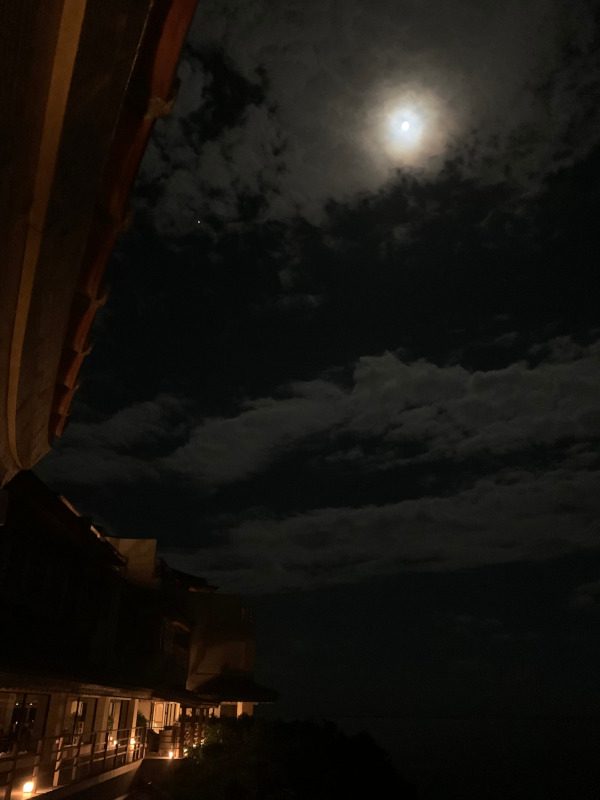
Chushu no meigetsu, the harvest moon, is the custom of viewing the moon on the fifteenth night of the eighth month of the old lunar calendar.
Early autumn brings many typhoons and much rain, but after that the air gradually turns cooler and clear autumn days follow one after another.
The sky seems higher and the moon looks especially lovely, and that, it is said, is how it came to be called “the bright moon of mid-autumn”.
In 2020 the harvest moon fell on 1 October.
Here at Hyakuna Garan, too, we were able to watch the beautiful moon together with our guests.
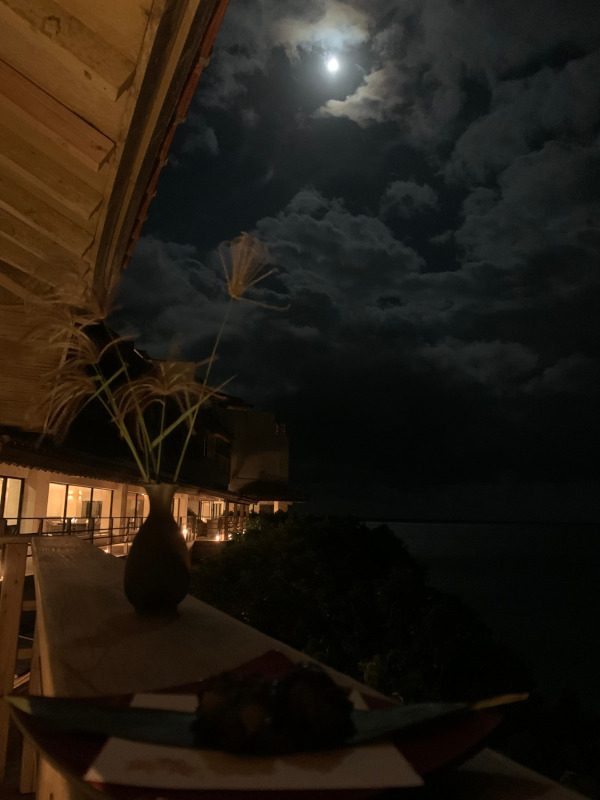
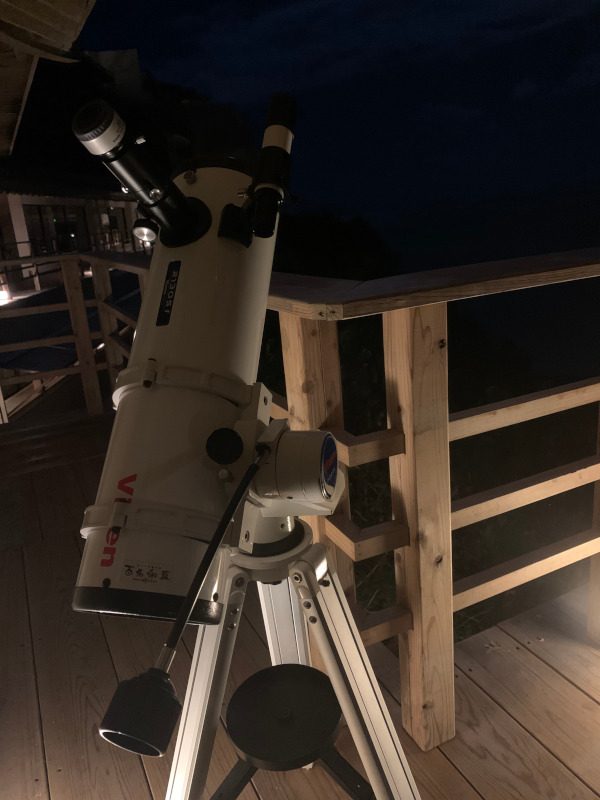
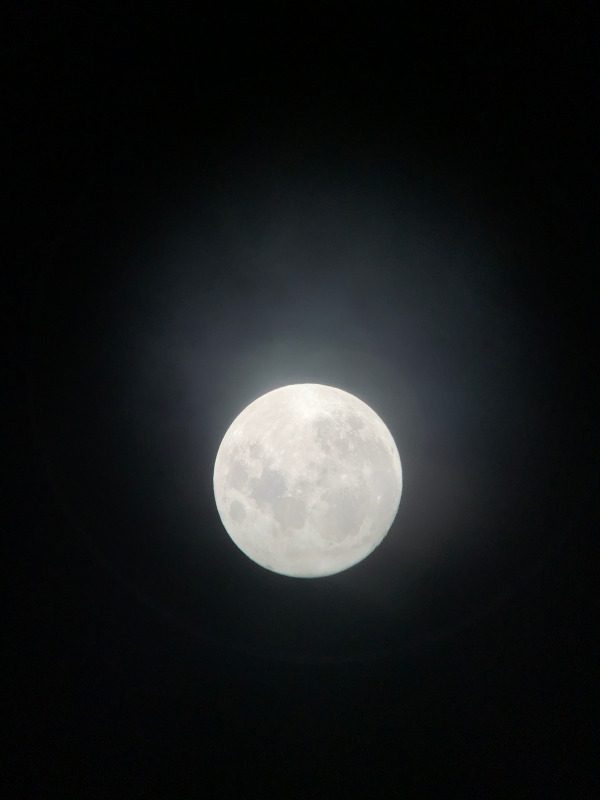
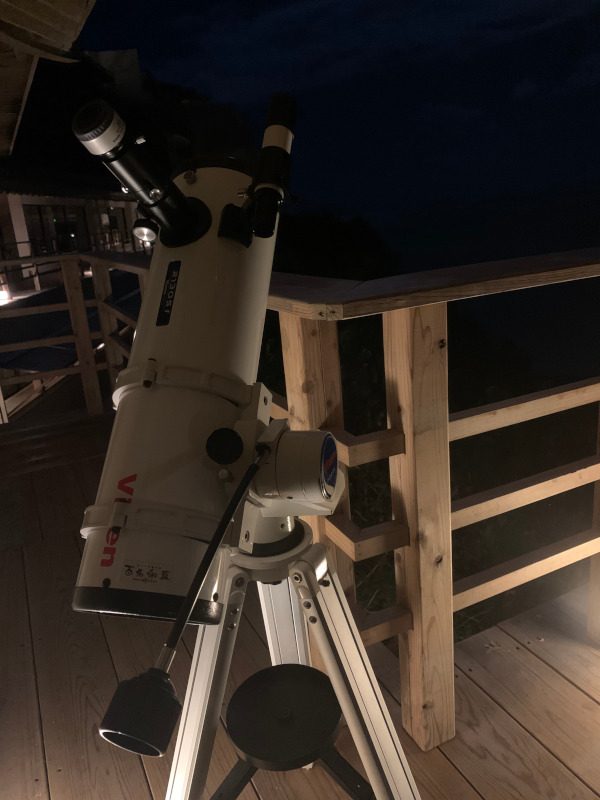
Through the hotel’s astronomical telescope the moon looked crisp and lovely, as if close enough to touch, and it was a joy to see everyone as delighted as children.
From time to time we heard cries of delight from the six private open-air baths of Hojo-an on the rooftop, too.
The fifteenth day of the eighth month was also the time of the taro harvest, so this moon is also known as imo-meigetsu, the “taro moon”.
People viewed the full moon as a symbol of a rich harvest, and made offerings to it with thanks and prayers, and so it became a harvest festival.
In mainland Japan, moon-viewing means tsukimi dango, round rice dumplings; in Okinawa, though, we eat fuchagi (fukiage-mochi).
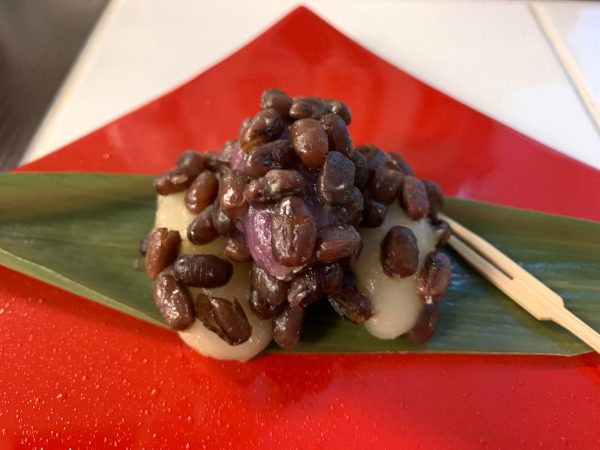
The mochi represents the moon and the azuki beans represent children, so fuchagi carry a prayer for many descendants; and because azuki are said to ward off evil, they are also a prayer to be spared misfortune in the year ahead.
On the day, we prepared fuchagi for our guests before dessert at dinner, with our wishes for their happiness.
Everyone was delighted with this lucky treat, and some guests took theirs back to their rooms to enjoy while gazing at the moon.
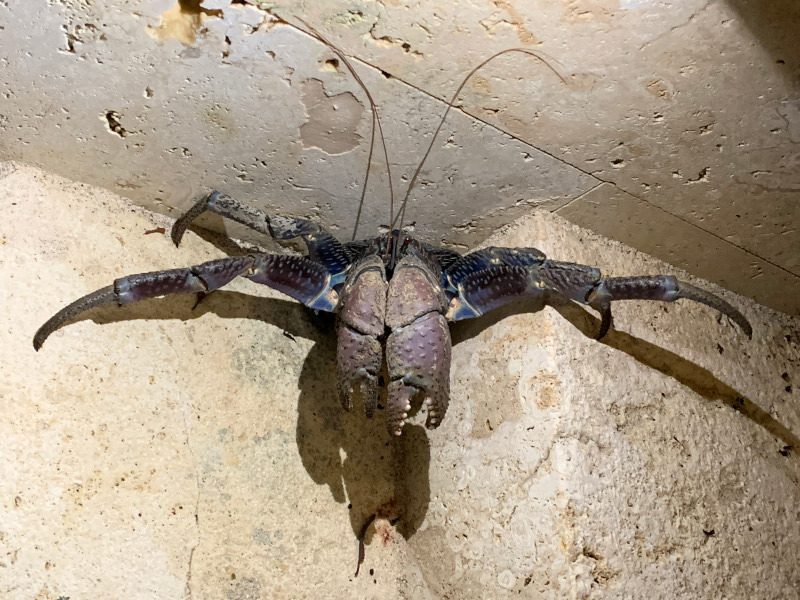
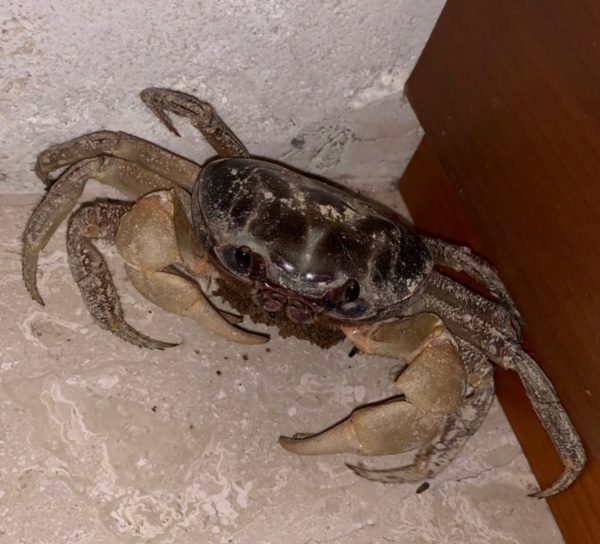
And one more thing: around the full moon, crabs heavy with eggs sometimes wander into Hyakuna Garan.
The hotel stands right by the sea, and they must lose their way while crossing it on their way to spawn.
Needless to say, we gently guide them back towards the sea.